

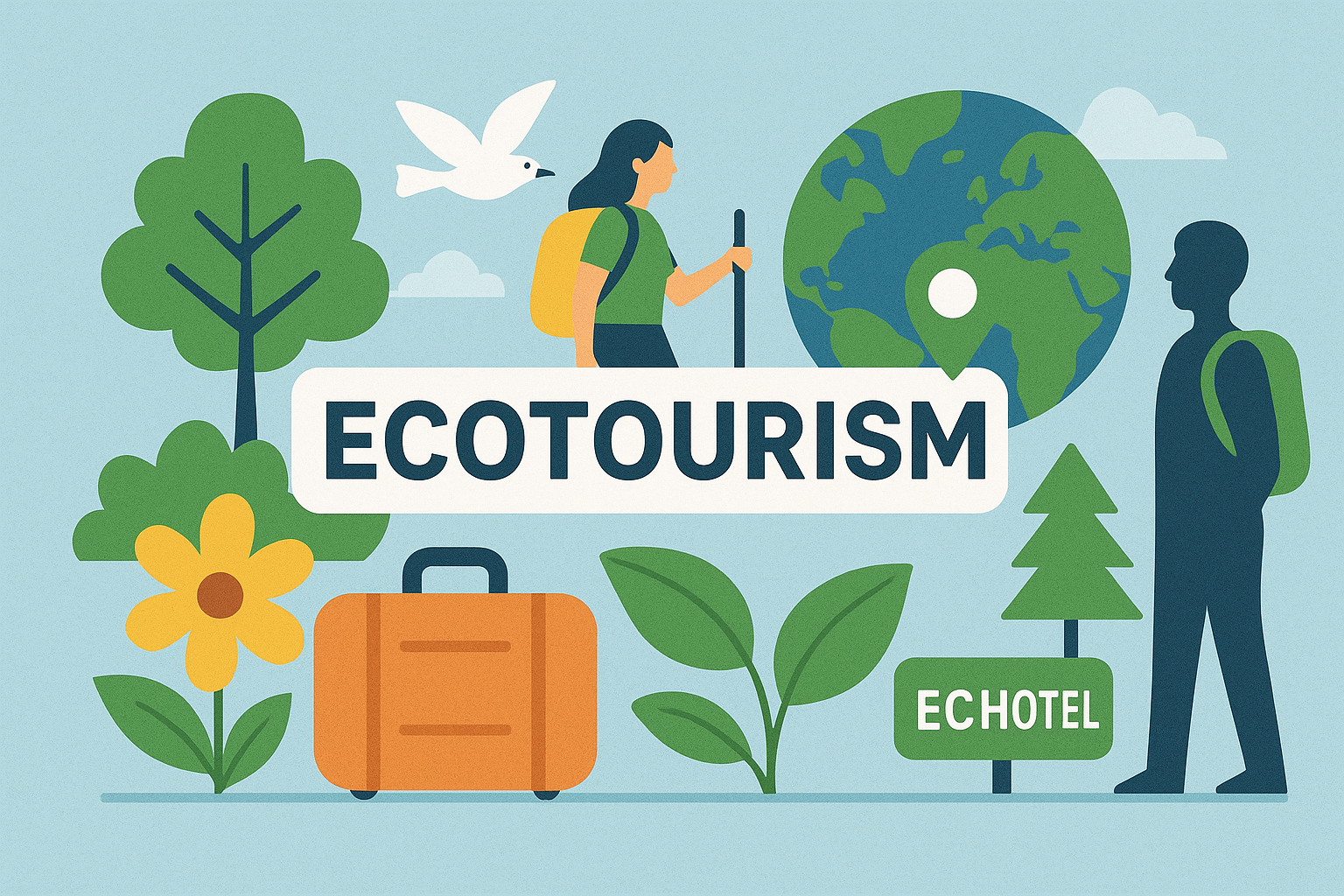
Key arguments about ecotourism
- Ecotourism or Nature based tourism has been a significant area of research in tourism studies
- Regarded as one of the fastest growing industries, faster than tourism itself
- Expected to continue growing in the 21st century
- Considered to be one of the panaceas of the concern over socio-environmental problems and local culture degradation.
Why urban areas?
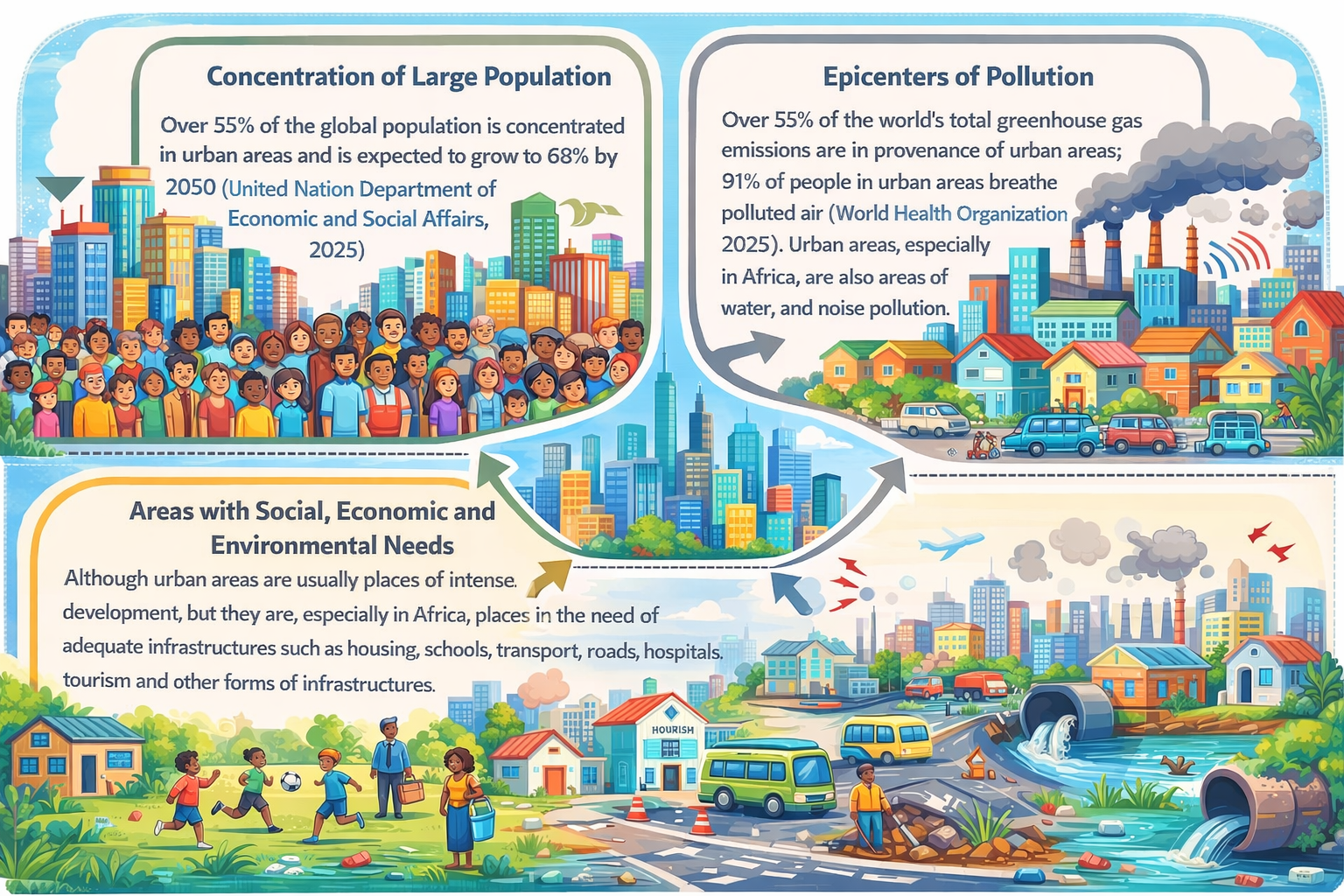
Due to these basic needs, the reason for keeping large and empty lands, only composed of fauna and flora, is usually not well understood. Leading to some of the questions below.
Leading questions in the African context
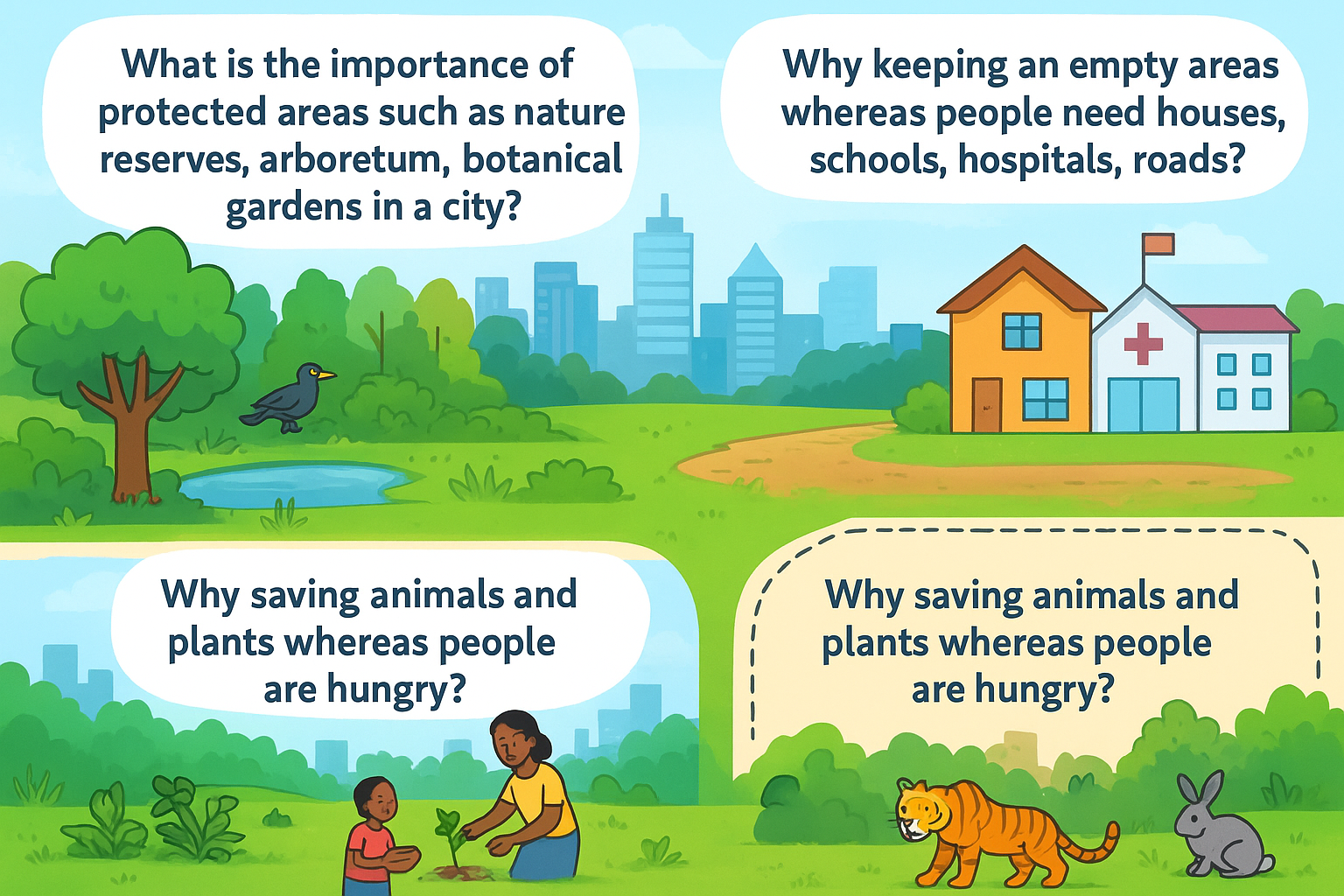
Importance of Protected Areas/ Areas of conservation
- Enhance conservation practices
- Protection of the biodiversity
- Strategy to combat environmental problems such as pollution, global warming and greenhouse gases.
- Enhance and increase carrying capacity through conservation of species.
- Community empowerment as they are the cornerstone of any conservation practice.
Protected Areas and tourism, a bilateral relationship
Type of Protected Areas:
| Types of Protected Areas | |
| UCN protected areas | Ex situ conservation sites |
| National Parks (Mostly found in close proximity to urban areas) | Botanical gardens |
| Nature Reserves (Most likely to be found in urban areas) | Arboretum |
| Wilderness area | Zoos |
| Natural monument or featureHabitat/species management area | Aquariums |
| Protected landscape/seascape | Others |
| Protected area with sustainable use of natural resources | |
Protected areas are sites of conservation that give opportunities for tourism activities as they serve as sites, attraction for the appreciation of visitors. These areas open opportunities for tour operators, tour guiding, travel agencies, local or small enterprises to start or grow businesses. From the cultural perspectives, Protected Areas give opportunities for local communities to learn more , and enhance their cultural knowledge, so that they can create product, portray or perform some traditional practices for the appreciation of visitors who are in several cases tourists.
Tourism on the other hand brings funds, resources that help to enhance conservation of Protected Area. for instance, Tourism educate people about the importance of such areas, it brings investors and donors who provide resources that help to protect these areas. in several cases, it has been revealed that one of the major challenges of protected areas is the building or the maintenance of infrastructures such as fences, gates, or others that serve to safeguard these areas.
Benefits of Protected Areas in urban areas
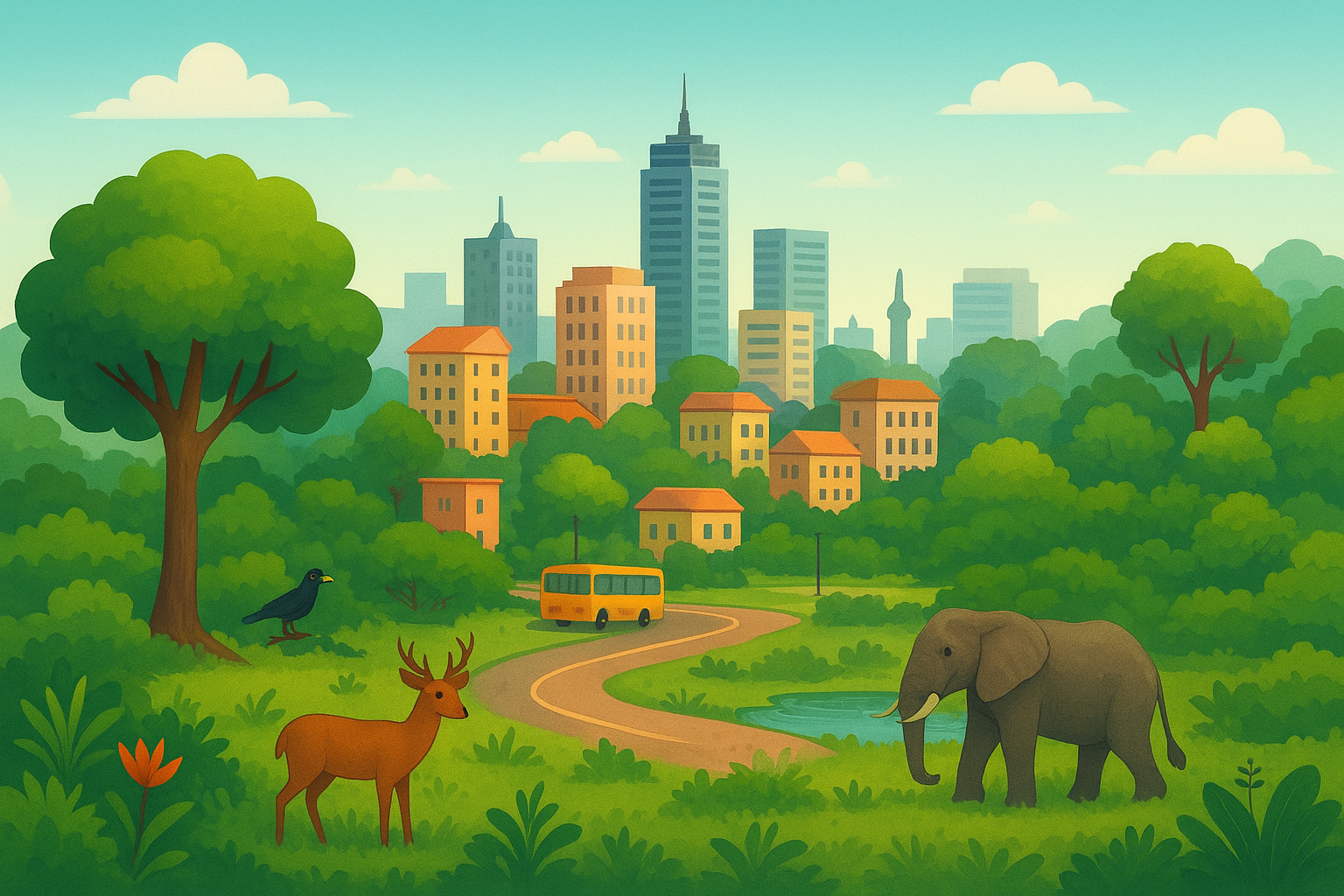
A protected area within a city serves as an additional attraction that enhances the city’s tourism offerings. By providing visitors with natural, recreational, and educational experiences, it helps strengthen tourism activities and contributes to positioning the city as a more appealing and competitive destination.
Ecological benefits
- The conservation of biodiversity helps maintain the ecological carrying capacity and prevents the loss of species. Every species plays a unique and essential role in the functioning of natural ecosystems. When biodiversity is protected, ecosystems remain resilient, stable, and capable of supporting life. Conversely, the loss of even a single species can disrupt ecological processes, weaken ecosystem health, and reduce the benefits nature provides to both wildlife and humans. In this sense, Protected Areas somehow help to reach the UN sustainable goal 11 (Sustainable cities and communities).
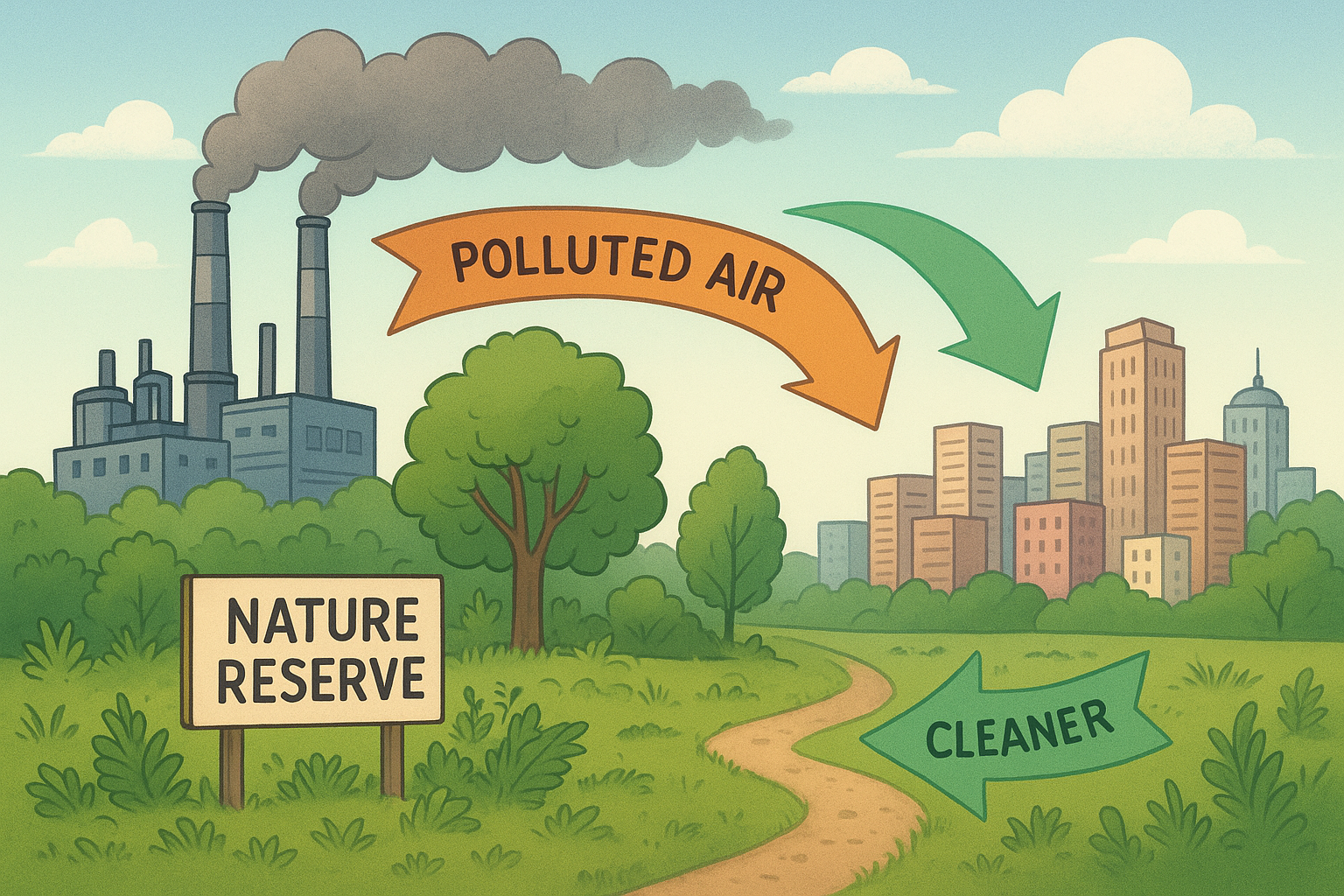
- Moreover, having such areas in or around cities facilitates processes such as photosynthesis, which is important for absorbing the polluted air generated from industrial activities, and releasing cleaner and less polluted air to the city.
Socio-cultural benefits
- Some protected Areas are sites that shelter historical or cultural artifacts that serve as an important cultural heritage. This strengthens the authenticity, sustainability, and socio-economic value of the city as a tourism destination. The historical assets found in protected areas can also reveal some historical practices that help to understand the historical background of the city.
- In addition, some Protected Areas hold significant cultural or religious value, particularly for communities that believe in the deep connection between the land, humans, and their ancestors. These areas often serve as sites for prayers, ritual ceremonies, and other traditional practices, preserving cultural heritage while providing a meaningful space for spiritual and communal activities.
Physical and mental health
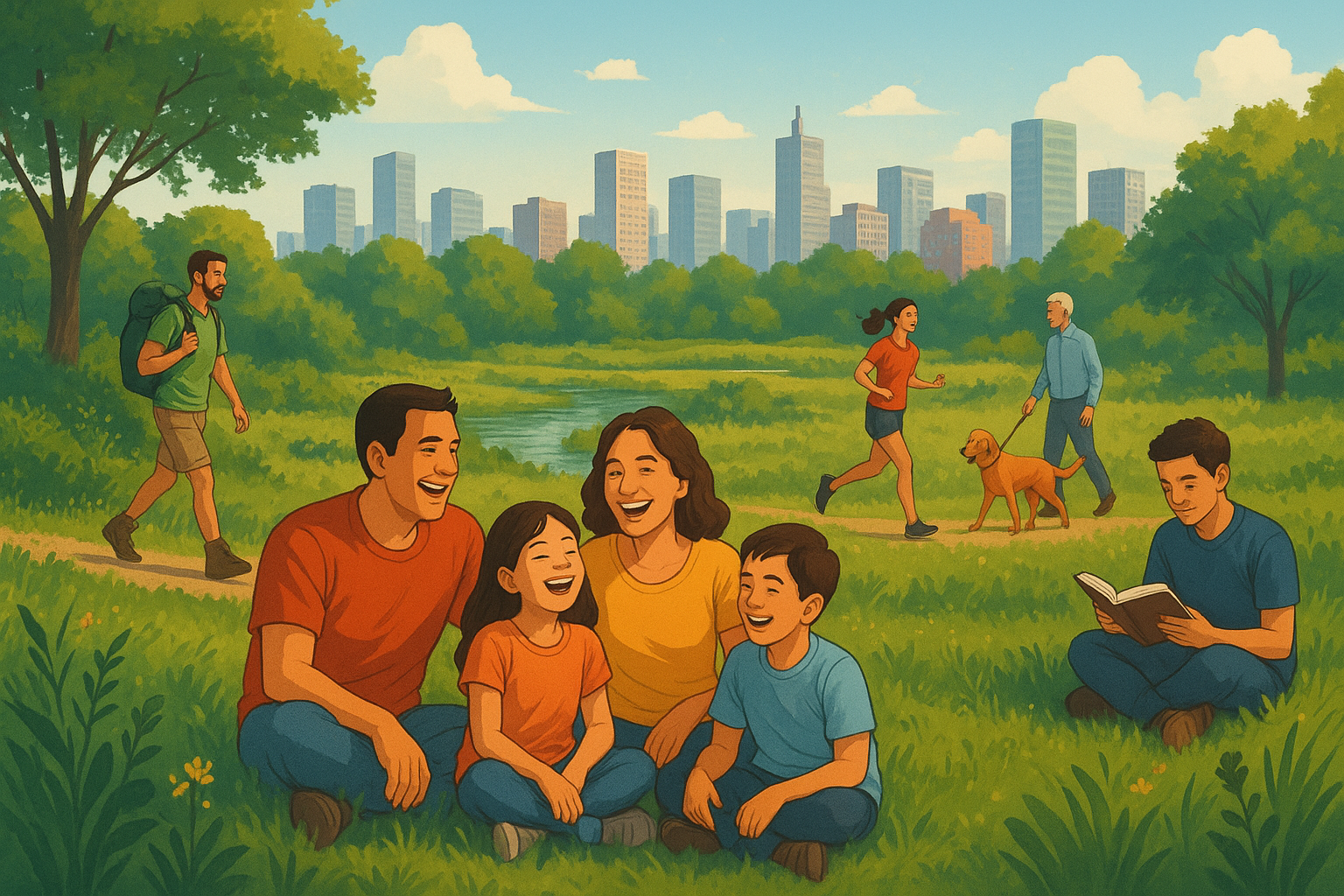
- Protected Areas offer essential spaces for relaxation and recreation to urban populations. They provide places where people can picnic, walk, run, hike, walk their dogs, spend time with family, friends, and relatives, or simply enjoy the beauty of nature. These activities contribute significantly to the physical and mental well-being of city residents. By offering a peaceful environment away from the pressures of work, social challenges, and urban stress, Protected Areas help people unwind, reduce stress, and engage in healthy outdoor activities that promote overall wellness. In this sense, Protected Areas help to achieve the UN sustainable goal 3 (Good health and well-being).
Education and research
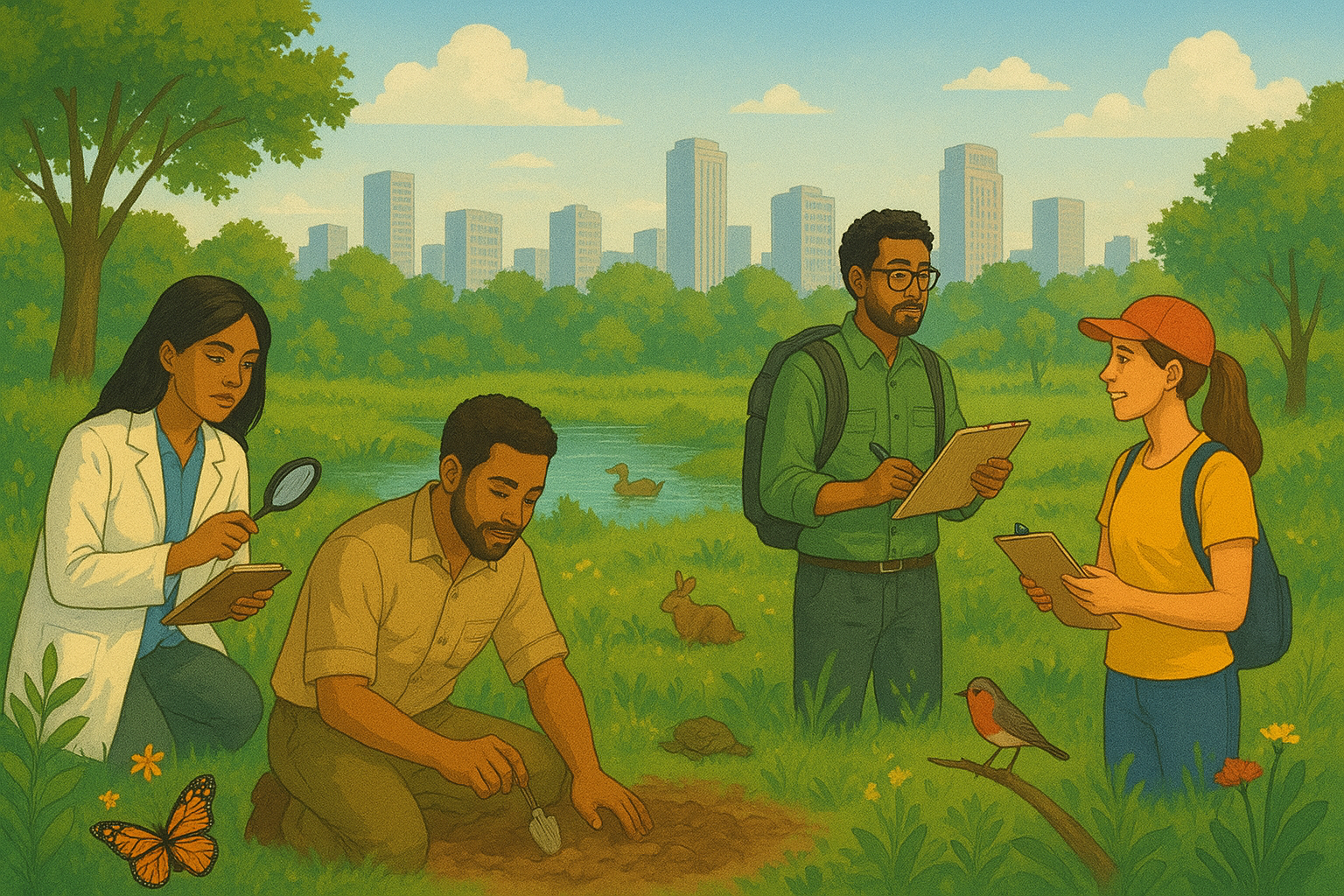
Ecotourism in and around Protected Areas plays a vital role in educating the public about sustainable practices, both from natural and cultural perspectives. In addition to tourism, these areas serve as important sites for research in fields such as botany, archaeology, geography, history, and tourism studies. Universities and research institutions frequently utilize Protected Areas for fieldwork and experiments, as these sites provide rich natural and cultural resources that are ideal for hands-on learning and scientific investigation. In this sense, Protected Areas help to achieve the UN sustainable development goal 4 (quality education).
Socio-economic benefits
Protected Areas also create significant employment opportunities. These sites require protection, which generates jobs for security personnel. Additionally, because they need ongoing conservation and management, they provide opportunities for conservationists, park rangers, and nature managers. By creating these jobs, Protected Areas help address urban social challenges such as unemployment and poverty, while simultaneously helping to reach the UN sustainable goal 1 (End poverty) and 8 (Decent work and economic growth).
Aesthetic benefits
Protected areas in cities help reinforce a positive image of a green and environmentally responsible urban space. Cities that maintain such areas are generally perceived as more attractive, sustainable, and less polluted. These protected spaces play an important role in enhancing the physical appearance of the city and significantly contribute to its overall beauty and livability.
renaldybeyeme.co.za